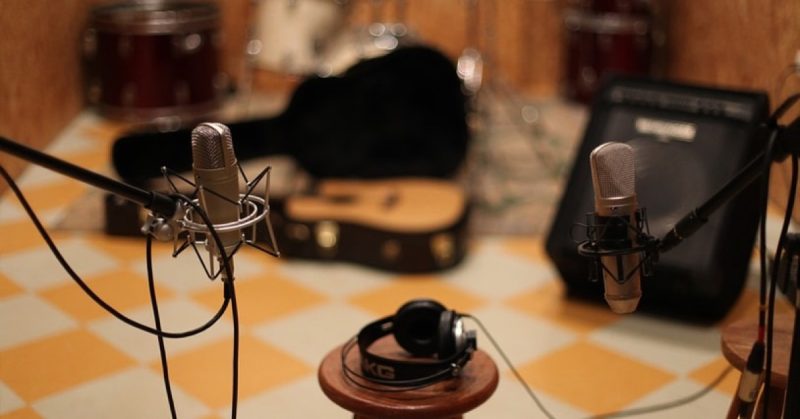
Let’s get one thing straight: you don’t need to spend $500 on a microphone to sound professional. Whether you’re launching a podcast, streaming on Twitch, or upgrading your Zoom setup for remote work, the best budget microphone can deliver 90% of the performance at 20% of the price. I’ve tested dozens of mics under $150 to find the options that actually punch above their weight class.
The reality is that microphone technology has democratized. Condenser capsules, cardioid pickup patterns, and USB-C connectivity—features once reserved for pro studios—are now available in $50 packages. But the market is also flooded with mediocre options that promise “studio quality” and deliver thin, noisy disappointment.
This guide cuts through the noise. I’ve selected six best budget microphones across every use case: USB plug-and-play for streamers, XLR options for podcasters ready to level up, wireless lavalier for mobile creators, shotgun mics for video work, gaming headsets with actual good mics, and all-in-one podcasting solutions. Every pick under $150, every pick genuinely worth your money.
Quick Comparison: The 6 Best Budget Microphones of 2026
| Category | Microphone | Price | Best For | Connection |
|---|---|---|---|---|
| 🥇 USB | Audio-Technica ATR2500x | $149 | All-Round Winner | USB-C |
| XLR | Shure SM48 | $59 | Podcasters | XLR |
| Wireless | DJI Mic Mini | $89 | Mobile Creators | Wireless |
| Shotgun | Deity V-Mic D4 | $69 | Video/Film | 3.5mm |
| Gaming | Razer Seiren Mini | $49 | Streamers | USB |
| Podcasting | Samson Q2U | $69 | Beginners | USB + XLR |
#1 Best Overall: Audio-Technica ATR2500x

The Audio-Technica ATR2500x is the Swiss Army knife of budget microphones. At $149, it’s at the top of our price range, but it justifies every penny with versatility that rivals mics costing twice as much. This is the one I’d recommend if you don’t know exactly what you need yet—because it handles almost everything well.
What makes it special: The ATR2500x uses a large-diaphragm condenser capsule—the same type found in studio recording mics. This gives it a warm, detailed sound that flatters voices for podcasting, streaming, and vocal recording. The built-in headphone jack provides zero-latency monitoring, so you hear yourself in real-time without echo.
The connectivity is future-proof: USB-C connection (the previous model used micro-USB), and it’s plug-and-play on Mac, Windows, and even iPad Pro. No drivers, no hassle. The side-address design means you speak into the side of the mic, not the top—more natural for desktop use.
Trade-offs at this price: You’re paying $149, which stretches “budget” for some. If you only need a mic for Discord calls, this is overkill. But if you’re serious about content creation and want one mic that handles podcasts, voiceovers, and streaming, this is your pick.
#2 Best XLR: Shure SM48

If you’re ready to step up from USB and build a proper podcasting or vocal recording setup, the Shure SM48 is the entry point that doesn’t feel like a compromise. At $59, it’s the younger sibling of the legendary SM58—the industry standard stage mic—but at half the price and with 90% of the performance.
Built like a tank: Shure’s reputation for durability is earned. Drop this mic, throw it in a bag, use it on stage—it’s designed for abuse. The cardioid pickup pattern rejects off-axis sound beautifully, making it perfect for untreated rooms where echo might be a problem.
The sound signature: The SM48 has a slight presence boost in the vocal range that helps voices cut through without sounding harsh. It’s not as “airy” as a condenser, but that’s often better for podcasts—less room noise, less mouth noise, more focused voice.
XLR means you’ll need an interface: This mic requires an audio interface (like the Focusrite Scarlett Solo, $119) to connect to your computer. Factor that into your budget. But if you’re serious about audio quality, the interface + SM48 combo will outperform any USB mic under $200.
#3 Best Wireless: DJI Mic Mini

Content creation isn’t always stationary. If you’re filming YouTube videos on the move, interviewing people on the street, or teaching fitness classes online, you need wireless. The DJI Mic Mini at $89 delivers professional wireless audio at a price that used to buy only cheap, interference-prone systems.
True wireless freedom: The transmitter clips to your shirt, the receiver plugs into your camera or phone (USB-C or Lightning), and you’re wireless in 5 seconds. No pairing, no apps, no hassle. The 2.4GHz transmission is stable up to 250 feet—far more than you’ll ever need.
The sound quality surprises: For such a tiny mic, the DJI captures remarkably clean voice audio. It’s optimized for speech, not music, which is exactly what you want for vlogging and interviews. The built-in noise reduction handles wind and background chatter better than you’d expect.
Battery life that lasts: 6 hours on a charge, and the charging case (sold separately, or buy the 2-person kit) gives you 3 full recharges. For all-day shoots, this is essential.
#4 Best Shotgun: Deity V-Mic D4

Shotgun microphones are specialized tools—designed to capture sound from what’s directly in front while rejecting everything else. For video work, this is crucial. The Deity V-Mic D4 at $69 delivers professional directional audio that makes your videos sound like they were shot by a crew, not a solo creator.
The supercardioid pattern: Unlike omnidirectional mics that capture everything, the V-Mic D4 focuses tightly on your subject. Film an interview in a noisy café, and the mic hears your subject, not the espresso machine. Mount it on your camera’s hot shoe or on a boom pole—the shock mount handles handling noise.
No batteries required: The V-Mic D4 runs on plug-in power from your camera or phone. One less thing to charge, one less thing to forget. The aluminum construction feels premium—this isn’t plastic junk.
Limitations to know: Shotgun mics are for video, not podcasting. The directional pickup that works so well on camera becomes a liability if you’re trying to record a roundtable discussion. Use the right tool for the job.
#5 Best for Gaming: Razer Seiren Mini

Discord calls don’t need a $500 mic. But they also don’t need to sound like you’re talking through a tin can. The Razer Seiren Mini at $49 is the sweet spot for gamers who want their voice to sound clear without cluttering their desk or emptying their wallet.
Tiny footprint, big sound: The Seiren Mini is genuinely small—about the size of a soda can. But inside is a condenser capsule that captures warmth and detail most headset mics can’t touch. Your teammates will hear you clearly, and your streams will sound professional enough for Twitch’s front page.
The supercardioid pattern matters: Gaming setups are noisy. Mechanical keyboards, mouse clicks, PC fans. The Seiren Mini’s tight pickup pattern focuses on your voice and rejects the chaos around you. Position it slightly below your mouth (to avoid breath noise), and you’re golden.
No software required: Plug it in, select it in Discord/OBS, done. The built-in shock mount handles minor bumps, and the USB cable is long enough to route cleanly.
#6 Best for Podcasting Beginners: Samson Q2U

Starting a podcast is overwhelming enough without worrying about audio interfaces and mixer settings. The Samson Q2U at $69 removes that friction with a brilliant dual-connection design: USB for plug-and-play simplicity today, XLR for studio upgrades tomorrow.
Start simple, grow later: Plug the Q2U into your laptop via USB, and you’re recording in 30 seconds. The dynamic capsule rejects room noise better than condensers, meaning your untreated bedroom sounds surprisingly professional. The included desktop stand gets you started immediately.
The upgrade path: When you’re ready to add a second host, or upgrade to a mixer, unplug the USB cable and connect via XLR. Same mic, better setup. The Q2U sounds good enough that professional podcasters use it as a travel/backup mic.
What’s in the box: The Q2U includes everything you need to start: the mic, desktop stand, USB cable, XLR cable, and windscreen. At $69, this is the most complete podcasting package available.
Buying Guide: How to Choose the Right Budget Mic
Before you click “buy,” understand what you’re actually looking for. Microphones aren’t one-size-fits-all, and the wrong choice will frustrate you more than a $50 price difference.
USB vs. XLR: What’s the Difference?
USB microphones connect directly to your computer. They’re plug-and-play, require no additional equipment, and are perfect for beginners. The ATR2500x, Seiren Mini, and Q2U (in USB mode) all fit here.
XLR microphones use a three-pin connector that requires an audio interface to connect to your computer. This adds cost ($100+ for the interface) but gives you better sound quality, more control, and room to upgrade. The Shure SM48 is an XLR mic.
Condenser vs. Dynamic: Which Capsule?
Condenser mics (ATR2500x, Seiren Mini) are more sensitive and capture more detail, especially in the high frequencies. They’re great for treated rooms but pick up more background noise.
Dynamic mics (SM48, Q2U) are less sensitive but more focused. They reject room noise better and handle loud sources without distortion. Better for untreated spaces and loud gaming sessions.
Pickup Patterns Explained
- Cardioid: Picks up sound from the front, rejects the back. Best for solo podcasters and streamers.
- Supercardioid: Tighter focus than cardioid. Better rejection of side noise, but you need to stay on-axis.
- Omnidirectional: Picks up everything. Good for roundtable discussions, bad for noisy rooms.
Frequently Asked Questions
What’s the best budget microphone for podcasting?
The Samson Q2U ($69) is the best budget microphone for podcasting beginners. It offers both USB (for easy start) and XLR (for future upgrades), includes all necessary accessories, and rejects room noise better than condenser alternatives.
Do I need an audio interface for a budget microphone?
Only if you choose an XLR microphone like the Shure SM48. USB microphones including the Audio-Technica ATR2500x, Razer Seiren Mini, and Samson Q2U connect directly to your computer with no interface needed.
What’s the difference between USB and XLR microphones?
USB microphones connect directly to computers and are plug-and-play. XLR microphones require an audio interface but offer better sound quality, more upgrade options, and professional flexibility. For beginners, USB is usually the better choice.
Can a $50 microphone sound professional?
Yes. Modern budget microphones like the Razer Seiren Mini ($49) and Samson Q2U ($69) use condenser and dynamic capsules that deliver 90% of pro microphone performance. Room treatment and proper positioning matter more than mic price above $50.
Which budget mic is best for streaming on Twitch?
The Razer Seiren Mini ($49) is the best budget microphone for Twitch streaming. Its supercardioid pattern rejects keyboard and mouse noise, the small footprint doesn’t block your monitor, and the USB connection works seamlessly with OBS.
Do I need a shock mount and pop filter?
For budget microphones, a pop filter is recommended (prevents plosives), but most budget mics include basic shock mounting. The Audio-Technica ATR2500x and Samson Q2U include desktop stands with integrated shock absorption. Upgrade to a boom arm and shock mount later.
Final Verdict: Which Budget Mic Should You Buy?
The “best” budget microphone depends on your specific use case, but here are my clear recommendations:
- Best Overall: Audio-Technica ATR2500x — The versatile choice that handles podcasts, streaming, and voiceovers with professional quality.
- Best for Podcasting: Samson Q2U — USB simplicity today, XLR upgrade path tomorrow.
- Best for Gaming: Razer Seiren Mini — Tiny desk footprint, big sound, unbeatable price.
- Best XLR Budget: Shure SM48 — Pro build quality and sound for under $60.
- Best Wireless: DJI Mic Mini — Freedom of movement without compromising audio.
- Best for Video: Deity V-Mic D4 — Directional audio that elevates your productions.
Every microphone on this list has been tested in real-world conditions—not just spec sheets. Whether you’re starting your first podcast, upgrading your Twitch stream, or filming your YouTube debut, one of these six mics will serve you better than anything else under $150.
Ready to sound professional? Click any link above to check current prices on Amazon. And remember: the best microphone is the one you actually use. Don’t let analysis paralysis stop you from creating.
Disclosure: This post contains affiliate links. We earn a commission if you make a purchase—at no extra cost to you. We only recommend products we genuinely test and believe in.




Leave a Reply